Polynucleotides for hair loss in London
Scalp injections for early thinning, from £400 a session at the practices that publish them.
London Polynucleotides connects you with practitioners at UNTIL Marylebone and UNTIL Soho who inject polynucleotides into the scalp to support thinning hair, as a course of three or four sessions about four weeks apart.

The short answer
Do polynucleotides work for hair loss?
They can help some people with gradual pattern thinning, and the evidence is early. Injected into the scalp, polynucleotides are thought to calm inflammation and improve blood supply around the follicles, which may help existing hairs grow thicker and slow further loss.
Small studies have measured thicker hairs and higher density after a course. None has yet compared polynucleotides with the licensed hair loss medicines, and they are not a cure for pattern hair loss, which tends to continue without ongoing treatment. Hair that has already gone from an area rarely comes back.
Polynucleotides for hair loss at a glance
- Session30 to 45 minutes
- Course3 to 4 sessions, about 4 weeks apart
- First changeOver the first 3 months
- ReviewMaintenance by progress
- Published pricesFrom £400 a session
Female hair loss treatment with polynucleotides
Most people who ask about scalp polynucleotides are women whose parting has widened or whose ponytail has thinned over a few years. That gradual pattern is what the treatment is used for.
Female pattern hair loss
Hair thins across the top of the head while the hairline stays in place. It often runs in families. In a 2015 study of women with this pattern, the 20 who had 12 weekly scalp injections of a closely related DNA product gained about 18% in hair count and 14% in hair thickness.
Androgenetic alopecia in men and women
This is the medical name for pattern hair loss in both sexes. In a 2025 study, 28 people with it had four polynucleotide injections four weeks apart, and their hairs grew measurably thicker and denser from the first month. The study had no comparison group, so the size of the effect is uncertain.
Sudden hair shedding
Hair that comes out in handfuls over weeks can be a reaction to illness, stress, weight loss or low iron, and it usually grows back once the cause settles. Polynucleotides are not the first step for shedding; finding the cause is.
Hair loss blood tests: see a GP first
The NHS advises seeing a GP about the cause of hair loss before going to a commercial hair clinic. Illness, stress, weight loss and iron deficiency can all cause temporary loss, and a blood test can check for some of these. Patchy hair loss, or a scalp that is red, scaly or sore, needs a doctor's diagnosis before any cosmetic treatment. The GP can also discuss the licensed medicines, which are the main treatments for pattern hair loss. NHS advice on hair loss sets out the causes.
Polynucleotides or PRP for hair loss?
PRP uses platelet-rich plasma spun from your own blood and injected into the scalp. Polynucleotides are a ready-made purified gel, so no blood is taken. Both aim to support the follicles, and neither regrows hair on a bald area. No published study has compared the two head to head. In the 2015 study, women who had one PRP session plus the DNA injections gained more hair thickness than those who had the injections alone, though not more hairs, which is why some practitioners combine them.
Hair loss injections: what a course involves
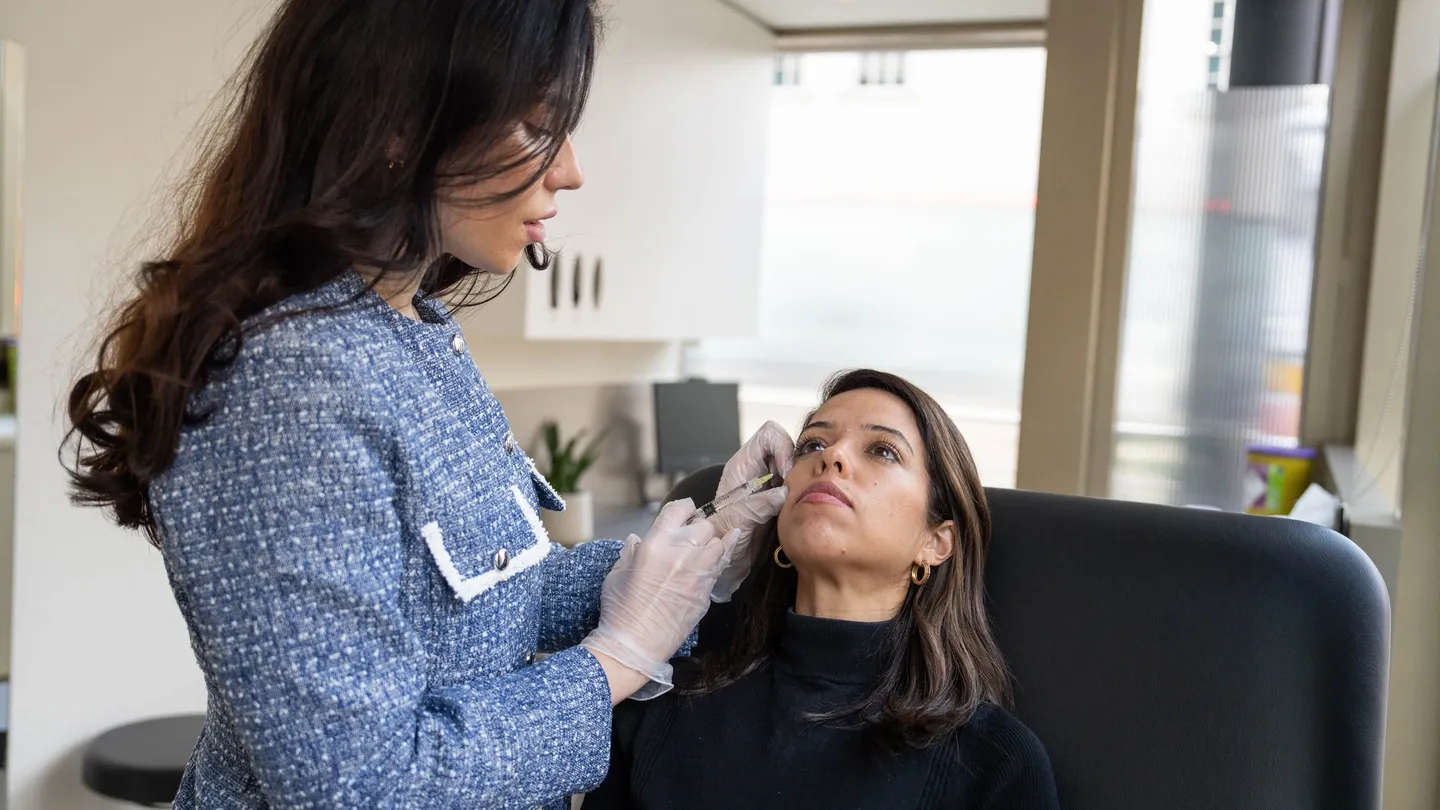
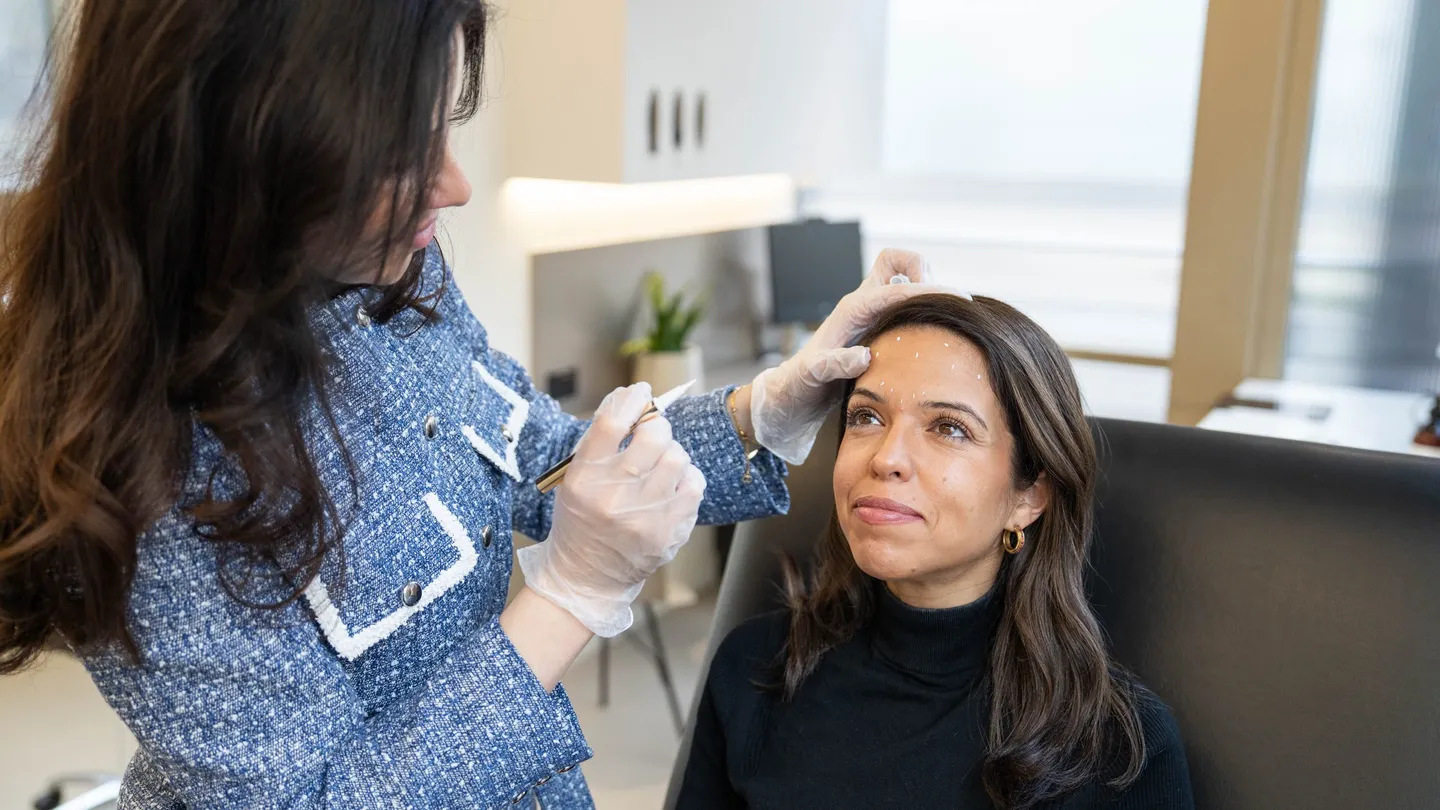
After an assessment of your scalp and history, the practitioner injects small amounts of polynucleotide gel across the thinning area with a fine needle, sometimes after numbing cream. A session takes 30 to 45 minutes. The practices that publish scalp courses give three or four sessions about four weeks apart, then decide on maintenance by how your hair responds. Photographs taken at the start make the change easier to judge.
Hair regrowth treatment: what to expect and when
Hair grows slowly, so the scalp changes later than skin does. Less shedding may be the first sign. In the 2025 study, hairs were measurably thicker and denser from the first month and kept improving through the course, but a change you can see in the mirror takes longer, so the course is judged a few months after the last session. Expect existing hair to look fuller rather than new hair to appear where the scalp is bare. The published studies describe what groups of patients saw.
Polynucleotides for hair: prices in London
The practices London Polynucleotides connects you with publish scalp polynucleotides from £400 a session. A doctor-led practice publishes a course of three at £1,000 and a shorter course of two at £550, with maintenance sessions at £320 to £350, checked on 1 October 2026. Ask how many sessions a quote assumes and what maintenance usually costs. Polynucleotide prices in London lists every published figure.
Hair loss treatment in London: UNTIL Marylebone and UNTIL Soho
A doctor-led practice at both clubs and a nurse-led practice at UNTIL Marylebone, 1 Orchard Street, near Bond Street, publish scalp polynucleotides. UNTIL Soho is at 111 Charing Cross Road, near Tottenham Court Road. Choose either club on the enquiry form, and UNTIL Health Concierge will arrange the assessment.
FAQ
Polynucleotides for hair loss
questions answered
How long do polynucleotides take to work on the scalp?
Hair grows slowly, so expect less shedding first and fuller-looking hair over the first few months; one study measured thicker hairs from the first month. The course is judged a few months after the last session. London Polynucleotides connects you with practitioners who photograph your scalp at the start to compare.
Can polynucleotides regrow hair on a bald patch?
No. They support hairs that are thinning but still growing; they do not bring back hair where follicles have gone, and patchy hair loss needs a doctor’s diagnosis first. London Polynucleotides suggests seeing a GP about the cause before booking any scalp treatment.
Do polynucleotide scalp injections hurt?
Most people describe them as uncomfortable rather than painful. The needle is fine, numbing cream can be used, and the scalp may feel tender for a day or two. London Polynucleotides notes that the practitioner will say at the assessment how many injections a session involves.
Can I keep using hair loss medicine alongside polynucleotides?
Usually, yes. Polynucleotides are often used alongside the licensed hair loss medicines rather than instead of them, but do not stop or start any medicine without asking the prescriber. London Polynucleotides suggests telling the practitioner everything you use on your scalp at the assessment.
Related Treatments
Get Started
Send the question first,
then see a practitioner in person.
London Polynucleotides • UNTIL Marylebone, 1 Orchard Street, London W1H 6HJ
Ask a PractitionerUNTIL Health Concierge replies to arrange an assessment at UNTIL Marylebone or UNTIL Soho. The practitioner confirms the price of a course before anything is booked.